Welcome
Hello and congratulation on your cat/kitten(s)!!!
I’ve put together a list of important information you should know before picking up your kitten:
Before pickup
Also, a quick reminder that the outstanding kitten adoption fee is due on pickup and no kitten can leave until the transaction is confirmed. Please be mindful of your daily limits, transaction delays, etc.
CASH on pickup is always preferred.
What do I need for my furry new arrival?
- Food (as specified, please do not change the food they were fed for at least 3 weeks and then transition slowly to avoid gastro issues) See below for more details….
- Water bowl or fountain (for example Catit fountain or both 😊) Please always choose glass, stainless steel, or ceramic only. Cats get chin acne from plastic food bowls and plastic is very porous and grows bacteria easily.
- At least 2 food bowls: one for dry food if you feed any and one for wet food (this one needs to be washed after every meal); same rule applies as above – ceramic, glass, or stainless steel
- Litter box (open with no doors), litter box scooper and litter. Please note that kittens are too small for the robotic litter boxes at this point – many litter robots will not register their weight and may turn on while kitten is inside and injure them or worse. Please place your litterbox in eye shot distance from food & water. The magic nbr of litter boxes is 1 per cat plus 1 (if you have 2 cats then it means 3 litter boxes). We suggest you show your kitty where litter box is right after arriving home.
- Fluffy cat bed and/or pet heating pad with thermostat (acceptable temp is 85-95F) (Amazon pet heating pads)
- Pet carrier. I always recommend the ones that open from more than one side… hard shell for longer travel (I like PetMate two door) and any carrier is good for short distance travel. (I do have airline approved soft carriers available for sale if you need one or forget one when flying - $50 CAD). Cats are nervous when exposed so choose carrier that doesn’t have too much mesh around.
- Cat tree? Anything they can climb on - climbing is cat’s natural behaviour. They need more of vertical space than horizontal.
- Cat scratcher(s)
- Cat toys
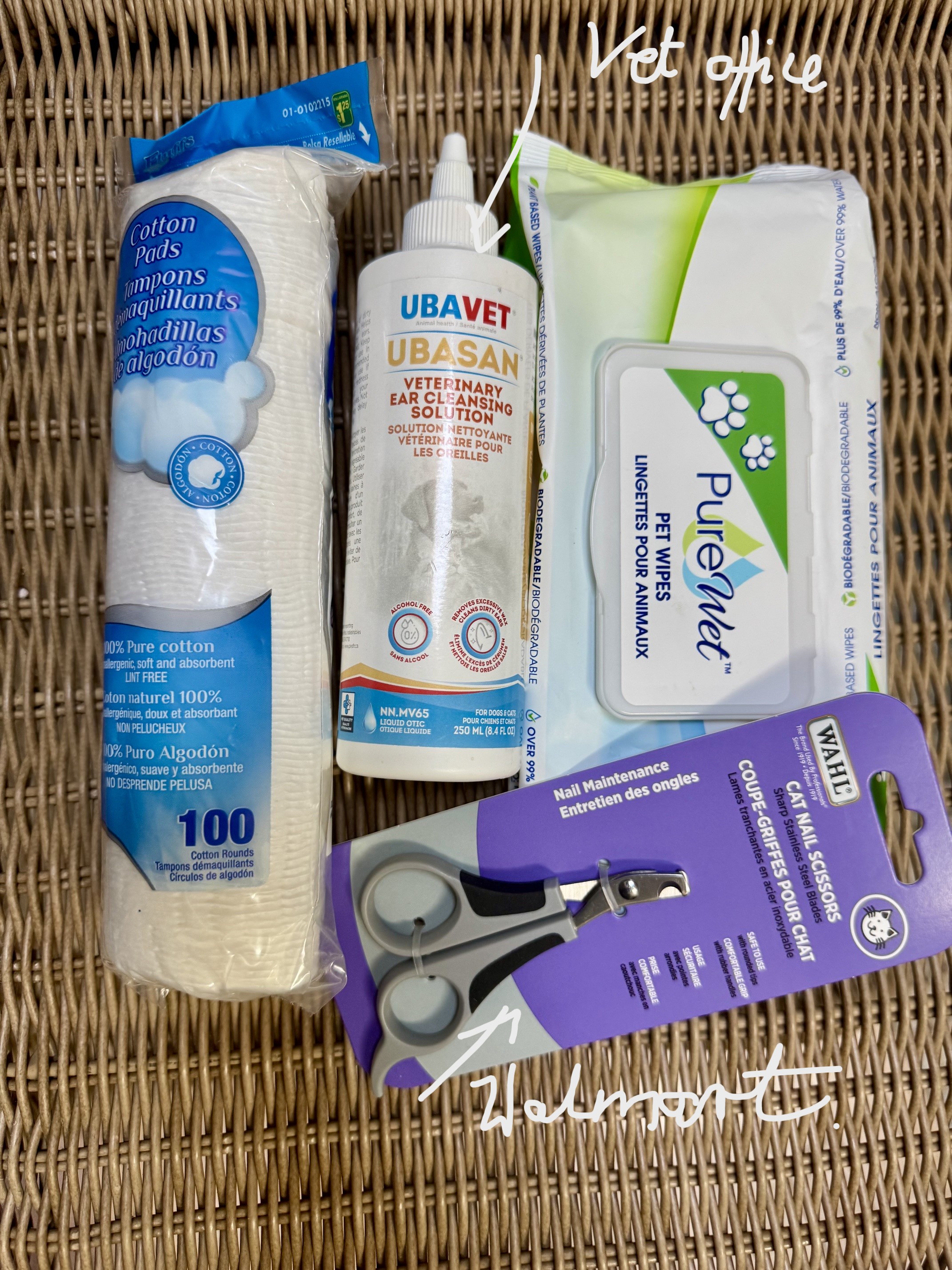
- Nail clipper for cats (the best I found are made from WAHL and I found them in Walmart)
- Hygiene products to clean their eyes and ears (cotton swabs or cotton pads (Dollarama for example), epi-otic solution to clean ears (by Ubavet - Ubasan) , gentle body wash for when needed (I use NuVet kitten shampoo – more info in another email) – I’m attaching pic of the products I use and work for us
- The main thing is, use natural and gentle products, made specifically for cats that have a little to no perfumes.
- Lots of love and admiration
The first 72 hours
The First 72 Hours With Your Kitten 🐾
Bringing a new kitten home is exciting, but those first few days are also a big transition. Even a confident, well-socialized kitten is suddenly leaving behind familiar people, smells, littermates, routines, and surroundings.
While there is limited research showing that stress alone makes a healthy kitten sick after leaving a breeder, we do know that cats cope best when their environment feels familiar, predictable, and safe. Research on newly relocated cats shows that reducing stress can help them adjust more quickly.
What can help during those first few days?
- Start small. Give your kitten a quiet, comfortable room rather than the entire house right away. Let their territory grow as they become more confident.
- Provide a safe hiding spot. A covered bed, box, or open carrier gives your kitten somewhere to retreat when they feel overwhelmed. Research has found that cats with access to a hiding place adjust more quickly.
- Keep familiar smells. Sending home unwashed bedding with familiar scents can provide a comforting connection to the kitten's previous environment.
- Keep food and litter the same. Avoid changing food, litter, treats, and routines all at once. Familiarity makes the transition easier.
- Let your kitten come to you. Hiding is normal. Don't repeatedly pull your kitten out. Sit nearby, speak softly, offer food or play, and allow them to approach when they're ready.
- Take introductions slowly. There's no need for immediate face-to-face meetings with resident pets. Give your kitten time to feel safe in their new space first.
- Keep things calm. Limit visitors and unnecessary excitement during the first few days. Predictability helps kittens settle.
- Watch food intake closely. A little hiding or reduced appetite can happen during adjustment, but a kitten who isn't eating should be taken seriously. Monitor what your kitten actually consumes and contact your breeder or veterinarian if you're concerned.
- Establish a routine. Regular meals, play, rest, and quiet interaction help your kitten learn what to expect.
The goal of the first 72 hours
The goal isn't to overwhelm your kitten with stimulation or force socialization. It's simply to help them learn:
“This is my new safe place. I know where my food, water, litter, bed, and hiding spot are. These people are predictable and kind.”
Once a kitten understands its new territory and feels it has a safe place to retreat, confidence usually follows.
One particularly interesting finding from the research is that allowing a cat to hide doesn't necessarily make it more fearful or less social—in fact, having that safe option can help them settle faster.
The research behind this
Research on newly relocated shelter cats has found that access to hiding places can significantly reduce behavioral stress and help cats reach a stable, lower stress level sooner. Feline environmental guidelines also emphasize safe spaces, predictable resources, familiar scents, and positive human interaction.
In short: keep the first few days quiet, familiar, predictable, and gentle—and let your kitten set the pace. ❤️
Vet & health
Vet visit and health guarantee.
Please schedule your kitten’s wellness vet appointment within the 48-hour timeframe specified in the sales contract. You’ll need a record of this visit to ensure the health guarantee remains valid. When selecting a new vet, we recommend choosing one with experience in treating purebred cats, particularly Devons/Cornish/sphynx. It's important to book early to secure an appointment. Please note that no vaccinations/treatments should be administered during this visit, as outlined in the contract.
First Vet Wellness Visit - What to expect
Please remember that the vet wellness exam is to be scheduled within 48 hours of pickup (or as agreed in writing).
What to expect at wellness exam (please look for a cat only clinic or vet that is experienced with hairless cats (devon, cornish, sphynx) or purebred cats in general:
- Vet will examine your kitten for obvious signs of any illness
- No vaccinations are to be given on this visit, as per contract
- No deworming, flea control etc. medications are to be given at this visit either. Kitten is up to date and doesn’t need to be stressed right after rehoming.
- Stained teeth? – it’s perfectly normal for kittens of less hairy breeds like Sphynx, Devon & Cornish to have their baby teeth stained. It’s from their mom’s sebum on her belly. Their adult teeth will be pearly white.
- Naked or very patchy hair? – it’s perfectly normal for your kitten to have a very patchy hair, have hairless spots and even to be totally naked. Most devon kittens molt when babies and their coat comes back before they reach adulthood. For some devons however, it may take up to 2 years to grow their adult coat. And yes of course, the coat thickness and waviness will depend on kitten ancestors and will vary greatly from line to line and from individual to individual.
- Spay site for females – there may be still a varying in size bump on the site. It’s a reaction to internal sutures and it’s perfectly normal and will go away on it’s own within few weeks after.
And a word of caution - please do not use trigger words like ‘I’m worried’, ‘I suspect’ etc. on your wellness visit. Let your veterinarian do his job and use his professional experience and judgement. Most veterinary offices use a software now to record their visit conversations and your ‘worries’ will be recorded as preexisting conditions for your insurance. It doesn’t matter if you didn’t mean it or there was nothing to worry about. Written record will be used in case kitten has to come back few weeks, months later for something that happened and insurance may not cover your bills. This is from other people’s experience and is not meant to hide anything, just to make you aware.
Let me know if you have any questions.
Vaccinations
Please do not vaccinate your kitten in the first 2 weeks after arrival and don’t apply any topical antiflea meds or any other meds that are not necessary (for example for heartworm). They need a strong immune system to be inoculated, and rehoming is taxing their system. They had at least 2 sets of vaccines already and will be due for a booster when ready.
Kittens will also be given rabies shot at spay/neuter time for the ones traveling to USA.
Email 3Rabies vaccine – if your kitten hasn’t been given rabies vaccine already - please wait until at it is least 6 months old and use PureVax brand as their first dose.
PureVax is the safest rabies vaccine for devon kittens (I had 3 kittens with vaccine reactions to Vanguard in 2024) – this may have to be requested ahead of time as each clinic works with their own favourite brands.
A year later, you can switch to 3-year ones.
Microchip
Please register your kitten’s microchip as soon as possible and ensure that your vet scans it at every visit to verify it’s still active, as kittens can sometimes dislodge them while playing.
Microchips can be registered with any database (we use EIDAP) and can be listed in multiple databases simultaneously.
Insurance
I’ll provide you with a code for a complimentary month of insurance from Trupanion, which you must activate within 24 hours of picking up your kitten. This coverage has no waiting period and activating it is mandatory as outlined in the contract. Please note that New York state has different regulations: while insurance is discounted (you pay for 11 months instead of 12 in the first year), the wait time is waived.
Contract
His details
- Male/Female Devon Rex Kitten/Cat name: TrilliumDRX Yoda
- Colour: chocolate mackerel tabby
- Microchip/Registration number: 9560000xxxxxx
- DOB: June 19, 2026
- Sire: CH Gizzmo Kocia Uciecha
- Dam: BW RW QGC Trilliumdrx Bella Fiama
Deadlines
The kitten MUST be checked within 48 hours of pickup by a licensed veterinarian of your choice, or the health guarantee is NULL and VOID. Please make your vet appointment ahead of time.
The Buyer will trigger the 30 days Free Insurance from Trupanion provided by the Breeder within 24 hours of pickup.
Photos of this kitten/cat will be furnished to the Breeder at both 6 months and 1 year of age. Of course, the Breeder would like to have even more photographs, but these bare minimums are required as a condition of sale.
Note: 6 months old is December 19, 2026 and 1 year old is June 19, 2027, based on the DOB above.
The Breeder will be notified within 2 weeks of any address or phone number changes of the Buyer.
The Buyer WILL REGISTER his TrilliumDRX kitten(s) with one of the following: CCA/TICA/CFA as per registration form that has been provided. Registration needs to be completed within 3 months of picking up the said kitten. Breeder will do that on your behalf.
Things that void the health guarantee
It is critical that the 3 in 1 or 4 in 1 vaccine should never be given at the same time as the Rabies vaccine as it could stress and compromise the immune system of a kitten. Failure to comply with this provision in the contract, will void the Two-Year Health Guarantee. Please do not over vaccinate your new kitten after the 20 week period. They have already been given two complete vaccinations prior to their 13-16th week. One year after their last kitten vaccination, you will need to get your cat revaccinated. Please do not skip this process since it appears to set the permanency of their immunity for life. There is some discussion going on in the Breeder and Cat community that after the second year of vaccinations, the cat may then have immunity for the rest of their life. The decision to give your cat vaccinations after the second year is yours and your vet’s to make but we recommend to give vaccination not more often every 3 years.
Final vaccines will be notated on the vaccination record and are the Buyer’s responsibility to have completed by specific dates. If the Buyer fails to complete vaccination series, health guarantee is *VOID*. If The Buyer chooses to vaccinate for feline infectious peritonitis (FIP), feline leukemia virus (FeLV), or feline immunodeficiency virus (FIV), this warranty is *VOID*. Also, The Breeder does not warrant the kitten/cat against any adverse reactions to future vaccinations.
The Buyer agrees by signing this contract, that the kitten/cat will be always kept indoors. The only exception to this clause is to allow a kitten/cat to be outdoors while on a leash/harness and while under close supervision. If it is found that the kitten/cat has been allowed outdoors beyond the exception clause, the Health Guarantee found in this contract will be automatically voided.
The Buyer guarantees 7-14 days of separation/quarantine from the current household animals. If the kitten and resident animals in the house have physical contact with each other within the 7-14 days of the kitten arrival, all health guarantee is null and void.
Essential Oil & Second-hand smoke: Per our contact, our kittens/cats are not allowed to be around essential oils. Due to the toxicity of essential oils to a kitten or cat, the Buyer of one of our kittens or cats agrees to not use Essential Oils in kitten/cat supplements, household cleaning products or in diffusers in the home, unless expressly authorized by a Licensed Homeopathic Veterinarian. Essential Oils can cause severe internal damage to a kitten or cat's nerves and vital organs. If it is found that Essential Oils and tobacco/other smoking products have been allowed around our kittens or cats, all Health Guarantees will be automatically VOIDED.
Other rules worth knowing
The Buyer agrees to provide a safe and loving home for the kitten and exercise normal care in maintaining this kitten’s health. Routine preventative care includes the following: annual exams by a licensed veterinarian, timely vaccinations, annual fecal tests, and continual parasite prevention. Normal care assumes that the Buyer will feed age and species appropriate food: a good quality balanced raw, PREMIUM wet & dry kitten/cat food and provide fresh filtered water for this kitten/cat, as well as give attention and love to this cat daily and proper grooming so that the coat, eyes, nails, and ears are kept clean. If the Buyer is found to be abusing or neglecting this kitten/cat by not following these most basic guidelines, the ownership of the cat will immediately revert to the Breeder who may immediately assume possession of the cat. The Breeder’s reasonable attorney fees for recovery of the cat in such a situation will be paid for by the Buyer.
Buyer agrees that the kitten/cat will always receive prompt, top-notch medical care from a competent, licensed veterinarian. Care shall be obtained immediately upon any signs of illness.
This kitten will receive adequate socialization to make it a good pet. The Buyer agrees that this kitten/cat is NOT to be left in a secluded area or cage as its primary home. The Buyer vows that this kitten will become a member of the family. This is to assure proper development and maintenance of the temperament and the happiness and well-being of the kitten/cat.
The Purchaser agrees that this kitten shall NOT be declawed. The only exception is the surgical removal of an individual digit when deemed medically necessary by a licensed veterinarian due to injury or illness. The Purchaser acknowledges and understands that declawing is an amputation procedure involving the removal of a substantial portion of each affected toe. The Purchaser further acknowledges that declawing may cause unnecessary permanent pain, permanent physical and behavioral changes, and may adversely affect the kitten's health, temperament, and overall well-being. Failure to comply with this requirement will entitle the Breeder to a monetary fine in the amount of $5,000.00 CAD (Five thousand dollars), paid by the Buyer because of Breach of Contract. The Breeder’s reasonable attorney fees for recovery of the cat and/or the collection of the fine will be paid by the Buyer. Additionally, rights and ownership of the cat will immediately terminate and revert to the Breeder who may immediately assume possession of the cat.
If the Buyer is unable to or does not want to keep the kitten/cat, The Breeder must be notified immediately, and the kitten/cat will need to be either returned to the Breeder at the Buyer’s expense or rehomed under The Breeder’s supervision and written permission.
The Purchaser agrees that this cat shall not be gifted, sold, transferred, rehomed, surrendered to a shelter or humane society, turned over to a rescue organization or laboratory, or euthanized without the Breeder's prior express written consent. The sole exception is when euthanasia is recommended by a licensed veterinarian due to an accident, injury, or illness resulting in irreversible pain and suffering with no reasonable expectation of recovery. Failure to comply with this requirement will entitle the Breeder to a monetary fine in the amount of $5,000.00 CAD (Five thousand dollars), paid by the Buyer because of Breach of Contract. The Breeder’s reasonable attorney fees for recovery of the cat or the collection of the fine will be paid by the Buyer. Additionally, rights and ownership of the cat will immediately terminate and revert to the Breeder who may immediately assume possession of the cat.
About Feline Infectious Peritonitis (FIP). FIP is a disease in cats caused by a mutation of the feline coronavirus. Feline enteric coronavirus (FECV) is as common in cats as the common cold and flu are in humans and is generally considered benign and self-limiting. Cats infected with coronavirus have very mild if ANY symptoms and it resolves itself. However, in a small percentage of cats infected with the coronavirus, either by mutation or an anomaly of the cat’s individual immune system’s response, the infection progresses into clinical FIP. Once a cat develops clinical FIP, the disease rapidly progresses and is almost always fatal without immediate and intensive intervention. There is no definitive tool for detecting FIP in living cats currently. However, in recent years, scientific progress has been made to successfully treat FIP and prescription medication is available to the mainstream, treatment options are available and accessible. FIP is no longer considered incurable. This section is included because there is much misinformation and misunderstanding about FIP and FECV feline enteric coronavirus (even within the veterinary community). FECV titers often called “FIP tests” are not an accurate or effective way to test for FIP. Just because a cat tests positive for coronavirus, it does not mean that it has or ever will develop FIP. Because the coronavirus is so prevalent in cats, it is impossible to guarantee a cat against FIP. If suspected FIP should develop in any Trilliumdrx bred cat or kitten under the age of 4 years, buyer agrees to contact breeder immediately for assistance and treatment guidance. Breeder will replace this cat with another cat of equal value, when available. Shipping costs will be buyer’s responsibility. Buyer agrees NOT to euthanize until communicated with and approved by the breeder.
Health guarantee and returns
The Devon Rex kitten is guaranteed to be free from any genetic & congenital issues that would hinder its ability to lead a normal life as a pet. If a documented genetic or congenital health problem arises before the kitten reaches 2 years of age, the breeder will replace the said kitten with one of equal quality from the subsequent available litter. Buyer MUST provide a written statement from their licensed veterinarian, along with test results and their contact information. In the unfortunate event of the kitten's death, the Buyer is obligated to conduct an autopsy at their own cost. Both the Buyer's veterinarian and the Breeder's veterinarian must concur before a replacement kitten of equal quality from the next available litter is granted to the Buyer. The Breeder is not liable for any veterinary expenses incurred. If the veterinarian determines that the health condition resulted from or was exacerbated by factors such as poor nutrition, an accident, foreign body ingestion or ingestion of poisons or other toxins, injury, or anything beyond the Breeder's responsibility, the health guarantee will NOT be applicable.
This Devon Rex kitten is guaranteed to be free of any disease at the time of sale. The kitten has been checked by a licensed veterinarian at least 2 times, received age-appropriate vaccinations, is microchipped, spayed/neutered and de-wormed several times.
The Breeder also warranties that the kitten/cat is free of the feline leukemia virus (FeLV), feline infectious peritonitis (FIP), and the feline immunodeficiency virus (FIV) at the time of purchase. Our cats are indoor cats only and we are closed cattery.
The Breeder assumes NO responsibility for any veterinarian/medical expenses after purchase.
Breeder will not be held responsible for any future diagnosis that are NOT a direct result of genetics. For example: bacterial or viral infectious disease including giardia, parasites, fungus (ringworm), upper respiratory infection, skin conditions, due to the fact, that these can be contracted anywhere in the environment after leaving the Cattery and are NOT a result of genetics or breeding.
Should the Buyer wish to return this healthy kitten/cat for any reason, the Breeder will promptly accept the return (except when FIV/FELV positive), with NO REFUND offered, except under one condition. If the return is due to cat’s health issues that are confirmed by licensed veterinarian and return is within the initial 72 hours post-purchase, the Breeder may choose to:
- Replace the kitten with one of equal quality from the subsequent available litter, or
- Provide a refund equivalent to the original purchase price (excluding a $200 non-refundable waitlist fee if paid).
The transportation of the kitten is the sole responsibility of the Buyer in all instances. Kittens returning to home cattery after more than 72 hours, need to have a FIV/FELV test performed at a veterinary clinic by a buyer.
TrilliumDRX will not accept back a kitten/cat that has tested positive for FIV/FELV!
The buyer is responsible for all costs associated with medical care for any kitten or cat returned due to accidents, improper handling, inadequate socialization, foreign body ingestion or ingestion of poisons or other toxins, poor nutrition, etc. as outlined in the contract below. Breeder may require up front payment for these costs before accepting kitten/cat back, based on estimates.
Food
Hi all, please do not buy any food yet - another detailed email will be sent with just food, litter, supplements details – that will be your exact shopping list (kitten diet can not change right after rehoming or it will cause huge gastro issues).
FOOD
Our current litters have been fed the following (and need to continue with the same food for at least 3 more weeks before you can opt to SLOWLY switch (over 2-4 weeks, transition chart attached to this email) to something else, to avoid gastro issues, as per the contract):
- Wet food is served 3 times a day (the last feeding just before going to bed so that they sleep through the night)
We use a portioned mix of 75% of 'Big Country Raw' Fare Game raw mix (as per below) and 25% RAWZ/Fussie cat/Nulo/Wellness canned PATE (just mix it up together and add a little bit of warm water) – remember kittens need to eat 8-10% of their current body weigh DAILY until they’re 8 months old and their appetite slows down. Raw & canned is mixed in together as a 1-2 day batch, before serving. Raw food needs to be defrosted in cold water and not overnight in the fridge to avoid bacterial growth – just like human grade meat we defrost for dinner.
Here is again FB group to be consulted on the best choice of raw for your area & general nutrition needs (not your vet please unless your vet is a feline nutritionist). (2) Feline Nutrition - Feed Cats Like Cats | Facebook
Please avoid MARS companies as much as possible and use premium food (as per contract).
PLEASE NOTE: RAWZ is not raw food, it’s just a brand of processed food that we like. A lot of people get confused! 😊
PATES - all pates that we use are ‘all stages’ so appropriate for both kittens and adults.
Fussie cat pate
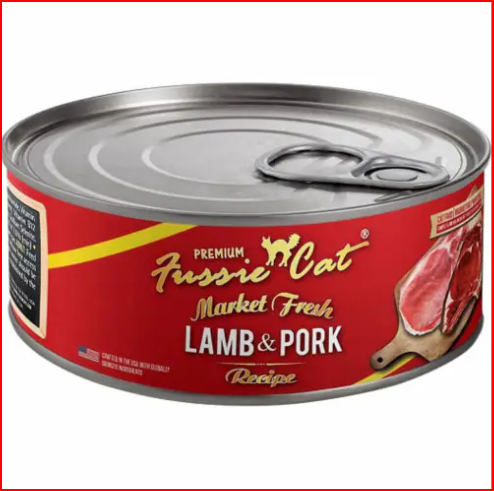
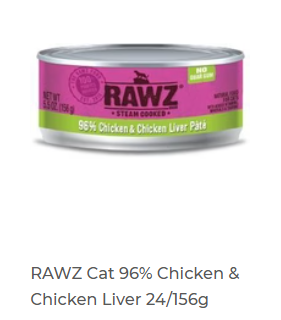
The RAWZ PATE we use: chicken & chicken liver; duck & duck liver, rabbit (PLEASE NOTE – THIS IS CANNED FOOD AND NOT RAW! The name is very misleading to some people). Kittens looooove the chicken pate and this would be my go to wet food brand if financially feasible.
It never had any recalls! (Global Pets, etc)
From Nulo Freestyle line we use: ALL are PATES
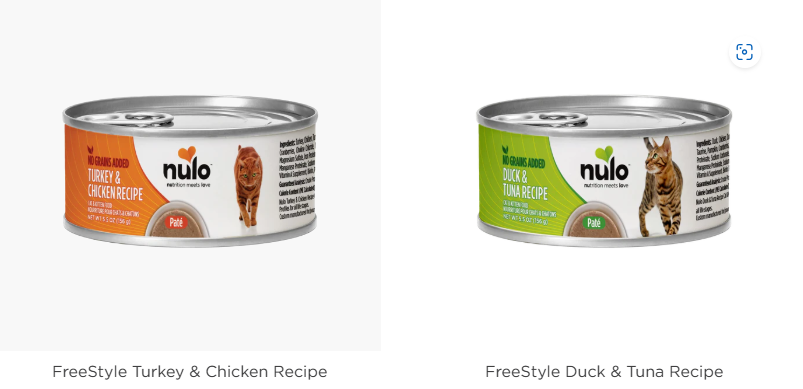
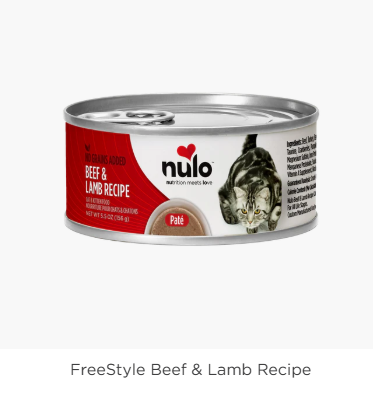
Note: Freestyle is the same as Medal Series from PetSmart! The name depends on the store chain that carries it but it is the same product.
RAW FOOD
The Big Country Raw raw:
- We use Fare Game line only (other products called Blends have bones that are too big for cats and Dinners are only for dogs). Fare Game line Requires adding some additional vitamin/mineral supplement to be nutritionally balanced if the mix does not contain fish – and fish can only be fed on rotation 2-3 times a week.
From my observations, kittens do not like to have the fish mixed in to their raw and they prefer animal/bird proteins with added supplements and fish oil squirted on top 2-3 times a week.
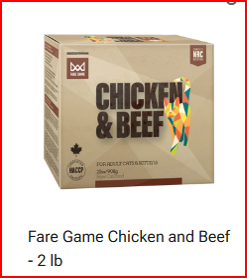
You can Save 20% on your FIRST order by using my Breeder Code (2241TRL) when making your first purchase! Discount can be applied to all raw, treats, supplements, and accessories and doesn’t have a limit.
The additional vitamins/minerals that we alternate with Big Country Raw Fare Game are:
-
Nuvet Labs – available ONLINE only in both: Canada & USA (the id to be used when signing up is 837162). We also use their cat shampoo but do not love the ear cleaner.
NuVet Labs - NuVet Plus, NuJoint DS Pet Vitamin Supplements
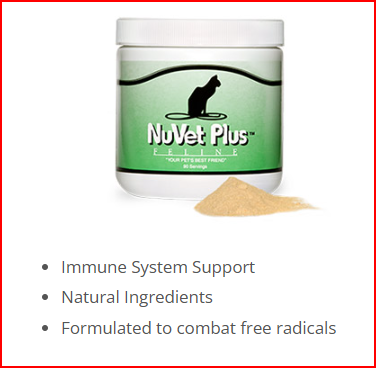
Please do not use the full daily portions for those supplements if you’re adding canned/kibble as it will be too much. Just use proportionate amount for the body weight and ratio of the food.
-
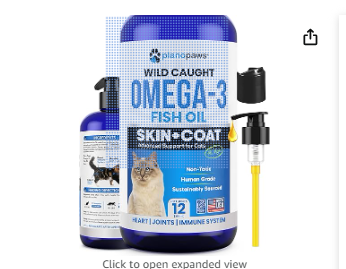
Additionally, for kittens/cats OLDER than 6 months, I add half a squirt of fish or krill oil to their morning meal, BUT only 2 times a week (instead of using raw mix with fish) because vit A can be overdosed. The product I use is below and is bought on Amazon. The oil needs to be from wild fish and kept in the fridge. It lasts a long time and really improves coat quality and prevents shedding)
-
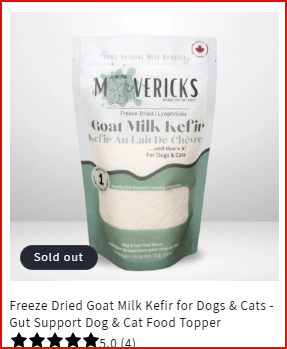
To maintain proper gut biome and strong immune system, I use Maverick’s freeze dried goat kefir daily, sprinkled on their wet food (again, less than suggested by the company but every day).
This product only ships within Canada but the company offers a variety of one ingredient of treats for both cats and dogs. All healthy alternatives to chain store bought treats.
70g bag lasts a long time for 1-2 cats. If you’re in USA and still want their products, you can ship to my house and retrieve it at pickup time, I don’t mind.
Freeze Dried Goat Milk Kefir for Dogs & Cats - Gut Support Dog & Cat F – Mavericks
Plus, we free feed dry food and the brands/flavours we use and that the kittens are exposed to:
Farmina – chicken & pomegranate for kittens
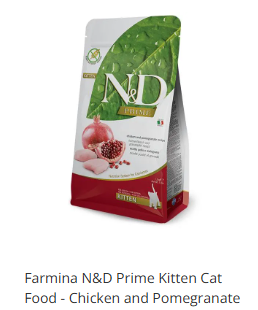
Farmina has never had a food recall and uses non GMO ingredients sourced from Europe.
Please note – I have entered your email address in Farmina breeder’s program so expect to get an email from them with 20-30% off coupon(s). They have been asked to not to call, just to send you coupons. Please open Farmina email when you get it.
Farmina coupon can be used in store and on line for USA and in store for Canada.
How often feed my cat?
Kittens are used to having small amounts of kibble available to them at all times and wet food served 2-4 times a day. That way they learn self control and do not overeat as adults. Adult cats eat their wet food twice a day and always have a little bit of kibble available as well.
When serving wet canned/raw food to a picky eater, please make sure it is close to room temperature and not right out of the fridge – cats do not like cold food. You can add 1-2 tsps. of hot and previously boiled water to the pate/raw before serving it (just mix it up) to increase their water intake and to warm it up. Pate is to be added to raw and mixed in well before serving. We add water to both raw & canned food.
How much to feed my cat?
Kittens are in the most rapid growth in their first 6 months, therefore will eat a LOT.
Growing kitten should eat 8-10% of their body mass daily and their weight should be checked every couple of weeks and the portions adjusted (for example 4lbs kitten needs to eat up to 6.5 oz of wet food a day). 8-10% is an estimate so if your kitten is super active or need more calories then you should feed them more. Do not try any diets with kittens, let them eat as much as they want or they’ll become possessive of food resources, and you’ll not be able to undo it.
Between 8-10 months you can go down to 6% and decrease slowly as their appetite decreases. To maintain adult cat’s weight, you need to supply 3-4% of body weight in high quality wet food daily. Again, cats have different metabolisms, just like people so one will need a little more and one maybe a little less. On average, devons eat more than any hairy breed – extra calories are needed for them to maintain their body temperature. As you know, they don’t have top hair.
What treats are kitten used to?
None! We do not serve empty calories to our kittens but of course it’s nice to have a treat routine with adults. For that and only for adults, we use one ingredient dry food: Nutri Bites Freeze dried chicken (Costco), Open Farm freeze dried raw – chicken and surf & turf. They do not like the salmon version.
Cats are obligate hyper-carnivores - they need to eat animal tissues to thrive. They also need a high-moisture diet as descendants of desert dwelling ancestors. Their digestive system is not designed to tolerate the consumption of vegetables or grains.
To make sure your pet lives long and healthy life, please follow the following basic rules:
- Always wet food in favour of dry (if must feed dry along with wet then one of the better brands with multiple variations and very palatable is FARMINA)
- Multiple meals per day for kittens and feed as much as they want until the growth spurt ends about 8 – 10 month old.
- Multiple meat proteins on rotation. The bare minimum is 3 different proteins (for example chicken, boar & quail) but 5 is much better. Start early, kittens eat everything, but adults start to be picky. Cats are imprinted eaters so slow but early exposure is a key.
- Multiple food producers as well. Once they change their formula (cats will stop eating) and merge with another company (quality will drop), you’ll be stuck.
- Avoid carbohydrates in grains – this causes unnecessary weight gain. If poop is an issue (loose) then psyllium husk (bulk barn or flavourless Metamucil) can be added to wet food.
- Choose high protein products but avoid meat byproducts and the best is to avoid MARS companies as the quality of ingredients is not there anymore .
TIP: Make it a habit to feed your furry little kitten friend in a quiet space, away from kitchen or dining room. This will help to avoid future problems with begging for food, as they should not identify with human eating areas as their own dining territory! It is a good idea to make a habit of feeding at about the same times every day. Feed a kitten in a very shallow dish, not a deep bowl, and be sure to warm the food to at least room temperature (add 1-2 teaspoons of hot & previously boiled water). Do not leave the raw meat mix out at room temperature for longer than 1 hour or so, to avoid bacterial growth. Always make fresh, clean water available. Filtered water is preferable to chlorinated tap water. Cats do not require much water when fed raw species-appropriate diet, but fresh water should be available, nonetheless.
What food should I buy? - DETAILS of exact CURRENT DIET FOR YOUR KITTEN WILL COME IN SEPARATE EMAIL - it varies slightly from litter to litter, and it needs to be followed for at least 3 weeks before gradually switching to high quality wet food of your choice. Not following this will cause gastrointestinal issues in young kittens (throwing up, diarrhea, etc) that takes weeks to correct.
In general, at TrilliumDRX, our cats and kittens are fed: raw meat mixed in with high protein, no grain wet food (canned) in variety of flavours, and a little bit of high-quality kibble.
The pates are for ALL STAGES and have no grains added to them, mixed (30/70) with raw meat from Big Country Raw.
You do not need ‘kitten specific’ wet food, ‘all stages’ is appropriate.
Please access this link: Canned Food List 2024 by Feline Nutrition - Feed Cats Like Cats (dry matter basis) - Google Sheets for a current (2025) lists of approved (no grain, fillers, gums, garbage) canned foods for Canada/USA.
Unfortunately, this document has changed its format and no longer can be downloaded – the lists attached to this email are from 2022. Please take a look and use this list when ordering canned food that you’re changing to.
I’m also attaching a little writeup on importance of feeding the right foods to cats as cats are OBLIGATORY CARNIVORES that do not digest grains, fruits or vegetables.
Raw food needs to be sourced locally and please make sure that your raw is suitable for cats and not just dogs as it would have a different ratio of muscle/bone/organ in it that will cause health issues in cats.
Also, please remember that most raw foods are not complete, and vitamins/minerals need to be added (separate email sent with details of what we use). Mineral/vitamin deficiencies are not visible right away but will cause health issues in the long run – for example blindness and heart issues.
Here is a great FB Feline Nutrition group to follow as well: (2) Feline Nutrition - Feed Cats Like Cats | Facebook to start learning about proper nutrition, choices of cat foods available and asking questions. This group will help you find the best raw food choices for your location.
Raw Diets and Parasite Concerns
I wanted to share some information regarding parasites and raw feeding, as it’s a common concern for many pet owners.
Generally, the risk of parasites in a raw diet is minimal—especially if you're not feeding the stomach, small intestine, or large intestine, which are the primary areas where parasites like roundworms, hookworms, and tapeworms tend to reside. Most commercially prepared raw diets exclude these organs for that reason.
According to Dr. Karen Becker, in her article on the topic:
"Parasites are passed up the food chain and end up in the guts of animals. We don't feed guts to our pets! If you buy a commercially available raw food diet, you will not find guts in the formula because guts contain parasites."
If you're preparing a homemade raw diet, the same principle applies - avoid feeding the stomach and intestinal tract. Stick to muscle meat, which is generally sterile. In rare cases, parasites like Toxoplasma gondii can migrate to muscle tissue, but freezing the meat for at least 72 hours prior to feeding will effectively kill these pathogens. This is similar to the process used to make raw fish safe for sushi.
By freezing raw meat for three days and avoiding gut organs, you can safely provide a raw diet without significant concern for parasites (commercial raw foods are frozen for longer than that).
And Big Country Raw is now FDA approved and they freeze their meat for 3 weeks before making it available for sale. They use leftovers from commercial processing of human food so it’s not compromised meat or road kill!
Let me know if you’d like more resources on this!
PET STORES
The closest pet stores to my house that carry some of these brands are: PetValue at 705 Kingston Rd (Whites rd & 401) & Global Pet Foods (1822 Whites Rd).
Global Pet Foods carries Farmina but the kitten kibble needs to be preordered 1 week in advance as it sells out fast.
Any pet store close to you carries most of the foods listed, if they don’t have the product you require, ask them to order for you. All small pet stores will work with you and order your products. Don’t be shy to ask.
Litter
LITTER
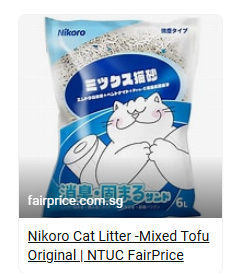
We’re using NikoroCanada tofu litter with kittens right now – kittens had exposure to paper pellets, Snappy Tom bentonite litter in baby powder, and now tofu pellets which are hypoallergenic in nature.
I’ll have a free bag (2.5kg) of tofu litter for everyone on pickup as well.
Note: Tofu litter cannot be used with some automated litter boxes (i.e Litter robot etc…). Tofu litter is biodegradable, compostable in Ontario and flushable (except for the brand NikoroCanada that contains bentonite and can clog house pipes) - just has to stay in water for 15 min until it disintegrates before flushing.
What litter is kitten used to?
Please avoid using scented litters, as they can lead to upper respiratory issues in cats. Your kitten is accustomed to the following types: unscented tofu litter: paper pellet litter from their early days, Nikoro tofu litter & Snappy Tom bentonite in baby fresh scent. I’m still searching for the perfect litter that all my cats approve of! My adult cats generally prefer sandy litters, despite the dust, don’t mind tofu litter but avoid natural litters like those made from corn, grass, paper, walnut shells, etc. They also dislike Pretty Litter. I hope you have better luck finding a suitable option!
Kitten care & files
Kitten Care
Details in attached document. Please read ahead of time.